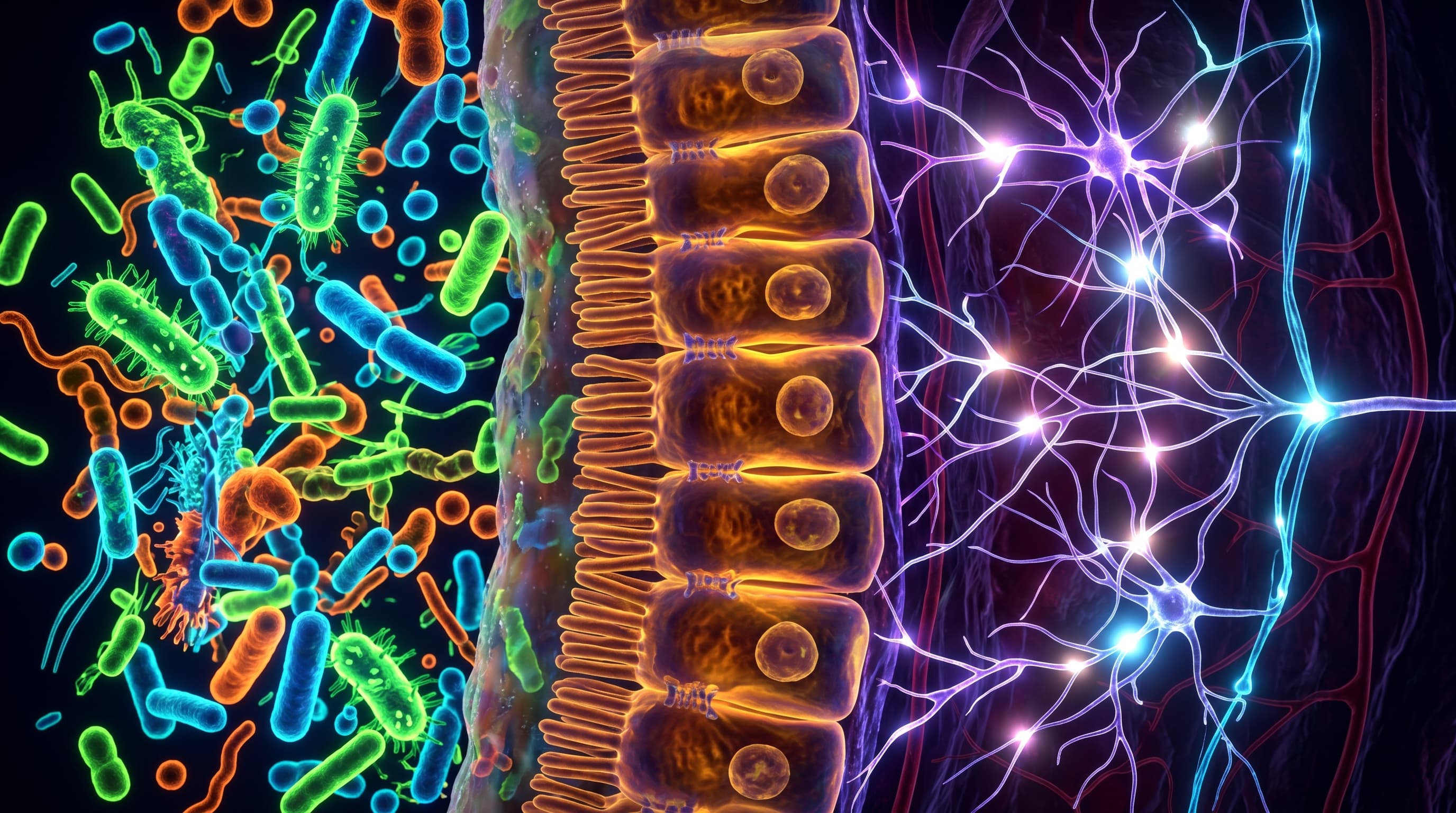
Biology as a building block: Can our intestinal bacteria be programmed for health?
Imagine being able to update your immune system, your metabolism and even your mood like software. This is exactly the vision behind microbiome biohacking. Through the targeted reprogramming of intestinal bacteria - be it through precise nutritional plans, tailored probiotics or even biotechnologically modified microbes - the human body is intended to become more efficient and more resistant to aging. Driven by real-time data from wearables and artificial intelligence, the door is opening to a completely new form of personalized biology. But while the first approaches show amazing effects on the body and psyche, the trend hides a risk that is still poorly understood.

Your free account
Save interesting articles, track your reading progress and connect with other readers. Joining Pandragora is free.
Discover more with Premium
Start a subscription to get unlimited access to all articles.
Biohacking, i.e. the self-determined optimization of your own body, is increasingly using knowledge about your intestinal microbiome to tailor your diet and lifestyle. Tiny intestinal bacterial metabolites such as short-chain fatty acids control your immune system, regulate your metabolism and even influence your mood and concentration via the gut-brain axis. Thanks to modern technologies such as wearable biosensors and artificial intelligence (AI), these complex processes can now be monitored with ever greater precision in everyday life. However, unregulated experimentation on your own also poses health risks and raises questions about data protection. That's why science is calling for stricter quality and safety standards to transform this self-experimentation into safe, scientifically based precision medicine.
The programmable ecosystem in our belly
When we think of our own biology, we tend to imagine a hard-wired system - a genetic destiny that is inexorably determined by our human DNA. But deep within you, more specifically in the convoluted coils of your digestive tract, an entirely different reality exists. A gigantic, invisible machine works here around the clock: the intestinal microbiome. This dynamic ecosystem, which plays a critical role in your metabolism, immune regulation, and neurological signaling, influences your health in ways that we are only now beginning to unravel in detail. You can think of this microbial ecosystem like the operating system of a computer. While your genes form the biological basis, the highly flexible microbiome acts as a programmable system that controls essential processes in the background - from immune regulation and metabolism to cognitive performance and stress resistance. But what if you didn't just have to passively accept this operating system, but could become a programmer yourself?
It is precisely at this interface that a new, fascinating trend comes into play: biohacking. This means the independent application of biotechnology, digital tools and lifestyle interventions, with which you can independently optimize your own performance and health. For a long time, the microbiome was considered a mere passenger in our body that we should care for through a balanced diet. But the fusion of modern microbiome research and the do-it-yourself philosophy of biohacking is fundamentally changing this picture. The microbial community in your stomach can thus be understood as a programmable interface through which you can send targeted signals to your metabolism, your immune system and your neurological pathways in order to actively improve your performance, stress resistance and well-being.
How can such a highly complex community be controlled in a targeted manner in everyday life without poking around in the dark? The answer lies in a concept called precision health. This is a modern approach to personalized prevention and health promotion that does not rely on one-size-fits-all recipes, but rather uses the dynamic interaction between your genetics, the composition of your microbiome and environmental influences. Instead of blindly swallowing any vitamins, modern technology makes it possible to measure your own body with extremely high resolution.
The key tool of this approach is a closed-loop, dynamic feedback loop for continuous personalization. Imagine using wearable biosensors that continuously monitor microbial metabolites, inflammatory biomarkers, or gut-brain axis signals. This data is analyzed by AI-powered digital platforms that model your individual microbial dynamics using metabolic avatars or digital twins. When you eat certain foods, the system helps predict how your microbial community will respond to optimize energy absorption, improve insulin sensitivity, and dampen inflammation. On this basis, you receive personalized nutrition and lifestyle recommendations. A continuous, adaptable loop of measurement, analysis and targeted intervention is created. However, scientific research indicates that the rapid spread of biohacking often outpaces the methodological rigor of established research and creates significant challenges in data quality and reproducibility. Anyone who tries to change their microbial system in this way today is often in the realm of experimental self-optimization of an extremely complex and dynamic biological network.
The three levers of microbial design
In order not to lose orientation in this dense, biological jungle in the intestine, three concrete tools can be used to specifically shape the microbial landscape. Imagine your gut as a giant, wild garden. If your garden is out of balance, weeds are rampant, or the soil is depleted, you have several options for intervention. You can fertilize the soil, sow new plants, or even use sophisticated tools to precisely control growth. The three levers of microbial design function exactly according to this principle, ranging from classic nutrition to the administration of living germs to the genetic programming of bacteria.
The first and most natural lever is nutrition – it is the fertilizer of your inner garden. What you eat every day largely determines which microbes in your stomach thrive and which wither away. The focus here is on the so-called microbiota-accessible carbohydrates. These are complex fibers and resistant starches that your own body cannot digest in the small intestine. They migrate undamaged into the large intestine, where they serve as the main source of food for the beneficial bacteria that reside there. If you specifically supply these special fibers, you stimulate the reproduction of certain types of bacteria. These then begin to ferment the fiber, creating short-chain fatty acids. These tiny metabolic molecules are a valuable energy supplier for your body: They supply the cells in your intestinal wall with energy, dampen inflammatory processes and send important signals to your metabolism. Nutrition-based interventions tailored to your individual, genetically analyzed baseline microbiome can strengthen your intestinal barrier function and bring the immune system into a healthy balance.
However, sometimes simple fertilizer is not enough - for example, when large parts of the microbial landscape are devastated after antibiotic treatment. This is where the second lever comes in: targeted microbial modulation. In our garden picture, this corresponds to the active planting of new plants or the targeted use of biological protection. These include probiotics, i.e. live, health-promoting bacterial strains, and prebiotics, which provide food for these bacteria. Postbiotics – the useful metabolic products produced by microbes themselves – are also used here. If the entire intestinal biological household is massively disturbed, doctors resort to a more radical procedure in certain clinical cases: fecal transplantation. This entire microbiome transfer involves transferring a donor's complex, healthy ecosystem into the recipient intestine. Initial clinical data suggests that this procedure can not only be highly effective for severe intestinal infections, but also has the long-term potential to positively influence chronic inflammation and metabolic disorders. However, scientific reports strongly warn against uncontrolled home therapies, as untested transplants can trigger unpredictable ecological shifts in the intestine or transmit dangerous pathogens.
The third and most technologically fascinating lever takes us directly into the future of medicine: microbial design using synthetic biology. If fertilizer nutrition and probiotics are new flowers, then engineered bacteria are sophisticated, programmable robot bees. Scientists today use tools such as the CRISPR gene scissors to specifically rewrite the genome of useful bacterial strains in the laboratory. These precisely optimized microbes are programmed so that they can take on very specific tasks in the intestine. For example, they could act as living biosensors that register signs of inflammation in the digestive tract in real time, or work as microscopic factories that produce and release therapeutic agents directly on site. This highly developed arsenal is supplemented by phage therapy and artificially assembled bacterial communities. Phages are tiny, highly specialized viruses that act like biological precision weapons: They only attack and eliminate pathogenic bacteria, while the remaining useful intestinal flora remains completely unaffected. Although these synthetic approaches are currently largely in the preclinical stage or in early laboratory studies, they open up completely new dimensions for personalized medicine, in which the microbiome becomes a highly precise, programmable interface for your health.
The chemical language of our fellow residents
But how do these tiny biological tenants communicate with our huge, highly complex organism? Since bacteria have neither a nervous system nor their own voice, they use a sophisticated chemical language that is intensively researched in the laboratory and in animal experiments. They continually produce tiny chemical messengers that act like tailor-made keys. Imagine that your body cells are equipped with billions of tiny biological locks – so-called receptors. When a microbial key fits precisely into such a lock, it triggers a cascade of signals inside the cell that can dampen inflammation, regulate energy balance or strengthen barriers.
The most important of these chemical keys include the short-chain fatty acids, especially acetate, propionate and butyrate. These molecules are produced primarily by beneficial bacteria from the Firmicutes and Bacteroidetes phyla when they ferment indigestible fiber in the large intestine. Once these short-chain fatty acids are released, they search for their appropriate biological locks on human cells: the G protein-coupled receptors GPR41 and GPR43 and the free fatty acid receptors FFAR2 and FFAR3. Once absorbed, these short-chain fatty acids modulate epithelial integrity by stimulating mucus production and strengthening connections between intestinal cells. Butyrate also serves as a direct source of energy for the cells in the intestinal wall and promotes the development of regulatory T cells, which act as peacemakers for the immune system and prevent excessive inflammation.
But the molecular language of your microbiome includes many more dialects. Your intestinal inhabitants also metabolize your body's own bile acids into secondary bile acid derivatives. These molecules dock with nuclear receptors such as the farnesoid X receptor (FXR) and the pregnane X receptor (PXR). This interaction regulates intestinal immune homeostasis and metabolic processes and links microbial metabolic activity to intestinal wall renewal and inflammatory control. Another important signaling pathway runs through the breakdown of the amino acid tryptophan. The resulting tryptophan degradation products, such as indole, bind to the aryl hydrocarbon receptor (AhR) on immune cells. This strengthens the epithelial barrier and suppresses the activity of pro-inflammatory Th17 cells. In addition, the microbes produce so-called polyamines such as spermidine and putrescine from amino acids, which regulate autophagy – cellular self-cleaning – and cell growth in the tissue. Even the host's immune cells contribute to this chemical exchange: via the so-called IRG1 signaling pathway in myeloid cells, the molecule itaconate is formed, which dampens inflammatory signals by inhibiting the enzyme succinate dehydrogenase and at the same time has a direct antibacterial effect.
However, the power of these microbial keys goes even deeper, right into the heart of your cells: they can influence epigenetics, i.e. the control over which of your genes are actually read. Scientific evidence shows that short-chain fatty acids and other metabolites act as natural inhibitors of histone deacetylases (HDAC). Histones are tiny protein balls that your DNA wraps around like spools of thread. If the coils are tightly wound, the genes remain silent. If microbial metabolites block the enzyme HDAC, this packaging loosens and previously blocked sections of the DNA can be read. DNA methylation, the direct chemical marking of gene building blocks, is also modulated by this epigenetic-microbial dialogue.
This principle of targeted epigenetic reprogramming is by no means new in nature. The phenomenon of natural “viral biohacking” is well known in cancer research: oncogenes, i.e. cancer-causing viruses such as the human papilloma virus (HPV), the Epstein-Barr virus (EBV), the hepatitis viruses HBV and HCV as well as the human T-lymphotropic virus 1 (HTLV-1) penetrate human cells and manipulate their epigenome. They specifically alter DNA methylation and histone acetylation to bypass the body's immune defenses and reprogram cell growth in their favor. These viral strategies serve as a fascinating model for modern biotechnology. The knowledge that the packaging of our genes can be dynamically changed forms the theoretical basis for new therapeutic approaches. Through the targeted use of pharmaceutical DNMT and HDAC inhibitors, EZH2 blockades or oncolytic virotherapy, researchers are attempting to reverse this pathogenic silence in a controlled manner and restore anti-tumor immunity.
The axis between gut and mind
However, this deep biochemical dialogue is by no means limited to the defense against disease in the body tissue - it extends into the finest branches of your thoughts, moods and mental performance. When you feel stressed, anxious or happy, it is often the result of intense communication along the microbiome-gut-brain axis. This two-way communication network connects your intestinal microorganisms directly to your central nervous system.
The main physical artery of this axis is the vagus nerve. You can think of this nerve as a state-of-the-art, bidirectional fiber optic cable that continuously sends status reports from the microbial factory in the gut directly to the corporate headquarters in the brain. Specialized sensory cells in the intestinal wall, called neuropods, sense the microbial environment in real time and translate chemical signals from bacterial metabolites into electrical impulses within milliseconds that are fed directly into your neural networks. Conversely, the brain sends back signals via the same pathway that influence the intestinal environment and the composition of the microbial community.
Clinical data reveals how dramatic this gut-controlled communication can have on our mental health. Meta-analyses of controlled studies show that targeted microbiome interventions - for example through the administration of psychobiotics, i.e. special mood-regulating probiotics - can significantly reduce depressive symptoms and anxiety. The statistical effect is significant and shows a standardized mean difference of -0.26 to -1.76 across different patient groups. But what happens when this delicate system gets out of balance? A large microbiome-wide association study identified 13 bacterial genera, including Eggerthella, Sellimonas, Subdoligranulum, and Lachnoclostridium, whose altered abundance correlates with depression. The reason for this connection lies in impaired production of glutamate, serotonin and gamma-aminobutyric acid (GABA), the most important calming messenger in your brain. However, a reduction in anti-inflammatory genera such as Faecalibacterium or Coprococcus correlates with increased depressive symptoms and disturbed GABA metabolism.
This is exactly where the concept of neurohacking comes in: the attempt to optimize your cognitive abilities and your emotional resilience through the targeted manipulation of these gut-based signaling pathways. For example, certain strains of Lactobacillus and Bifidobacterium can stimulate tryptophan metabolism, which boosts serotonin synthesis and promotes the brain's release of neurotrophic factor BDNF - a key protein for neuroplasticity, your brain's ability to make new connections and learn. In experimental models, short-chain fatty acids produced by bacteria such as Butyrivibrio and Roseburia have also been observed to act as histone deacetylase inhibitors. They change the epigenetic packaging of the DNA in your nerve cells and thus activate genes that are directly linked to learning processes and memory formation. In addition, the microbial butyrate strengthens the blood-brain barrier, the biological protective barrier that shields your brain from harmful substances from the bloodstream, regulates the maturation of microglia as the brain's immune cells and protects the integrity of your synapses from stress- or age-related degradation.
However, in order for this highly complex interaction to function error-free, a precise timer is required: chronobiology. Your microbiome has its own internal clock – the so-called chronobiome. The activity of your gut-associated microbes is subject to strict daily fluctuations that are synchronous with your body's own rhythms. This biological baton is controlled by a group of clock genes in your cells, including CLOCK, BMAL1, PER and CRY. If you disrupt this fine rhythm through chronic lack of sleep, irregular meal times, shift work or persistent stress, the entire orchestra will go out of control. This chronobiological desynchronization dampens the rhythms of short-chain fatty acids and tryptophan metabolites, destabilizes the regulation of the pituitary-adrenal axis (stress axis) and promotes inflammation in the brain.
In advanced stages or with neurological diseases, this condition can develop into a dangerous vicious circle. Degenerating neurons and reactive glial cells release cytokines and metabolites that alter the composition of your gut microbiome, perpetuating a pro-inflammatory feedback loop. This neuro-immune feedback loop stabilizes chronic inflammation and structural changes in the nervous system. Central regulators such as p53, STING and NF-κB integrate oxidative stress, immune activation and microbial metabolism and thus link neuronal injuries with systemic inflammation and impaired intestinal barrier function. Biohacking strategies are therefore increasingly trying to restore this rhythmic balance between your gut and your mind through precisely timed meals, sleep optimization and chronobiologically adapted psychobiotics.
Metabolism, obesity and the promise of longevity
Beyond brain waves and mental balance, there is a tangible, physical account that determines your vitality every second: your energy balance. When food enters your digestive tract, it is not simply passively absorbed by the body. In this process, your intestinal bacteria behave like a team of highly specialized financial advisors for your calories. They have a decisive influence on what happens to the incoming energy investments.
Some of these microbial advisors are extremely progressive: they recommend that your body invest the incoming energy directly into active muscle strength, cellular repair processes or warming thermogenesis. Others, however, are extremely conservative, almost compulsive hoarders. They advise your organism to immediately invest every calorie, no matter how small, into the seemingly bomb-proof savings account of visceral fat - i.e. the dangerous belly fat - in order to prepare for a supposed famine that will never happen in our modern world.
Dysbiosis is consistently associated with weight gain, insulin resistance, and chronic insidious inflammation in obesity and type 2 diabetes. The balanced advisory team in the gut then gave way to a one-sided hoarder clique. The ratio of dominant bacterial strains shifts, useful butyrate-producing taxa are lost, and chronic, insidious inflammation occurs, which impairs insulin signaling.
But here science encounters a startling paradox that turns previous assumptions about biohacking on their head. While short-chain fatty acids such as the anti-inflammatory butyrate are generally considered to be absolutely beneficial to health, a large, integrative analysis of the metabolic data of those affected shows a completely different picture for other members of this family of molecules. People with insulin resistance often have increased concentrations of monosaccharides and the short-chain fatty acid propionate in their stool.
The solution to the puzzle: If your microbial advisors break down complex carbohydrates in the large intestine too aggressively, they flood the body with propionate and simple sugars. Excessive microbial breakdown of complex carbohydrates can fuel gluconeogenesis in the liver, paradoxically contributing to systemic insulin resistance rather than protecting metabolism. It's as if your financial advisor is reinvesting your money in such a risky way that you end up with a hefty tax penalty. For targeted metabolic biohacking, this provides a rationale for the precise adaptation of fermentable substrates and the targeted promotion of insulin-sensitizing bacterial strains.
However, fascinating long-term clinical data from young people who are very overweight show how radically and permanently this internal advisory team can be restructured. Long-term data from adolescents with obesity show that a single treatment with encapsulated donor stool as part of a microbiome transplant can achieve lasting effects. The researchers monitored the participants over a period of four years - with astonishing results. This treatment resulted in long-term changes in microbial diversity and function. The teens showed sustained improvements in waist circumference, total body fat, HDL cholesterol, and markers of systemic inflammation—and surprisingly, without significant changes in their body mass index.
This close interplay between the microbiome and energy balance also explains why modern drug breakthroughs in obesity medicine are so successful. Pharmacological agents commonly used in metabolic biohacking – such as GLP-1 receptor agonists, orlistat and semaglutide – also interact with the microbiome. They indirectly influence bile acids, bacterial energy yield and the inflammatory status. This indirect reprogramming of the microbial community is not a mere byproduct, but a crucial factor that significantly influences, enhances or limits the clinical effect of these drugs.
Digital twins and artificial intelligence
Research into the human body inevitably leads to a central question: How can the infinitely complex interplay of host genetics, environmental factors and trillions of microbes be unraveled in order to make it specifically useful for your health? The answer lies in a technological quantum leap known as multi-omics. This is an integrated systems biology approach in which different molecular data levels are measured simultaneously and linked together. Instead of just looking at one piece of the puzzle, scientists analyze your genetics (genomics), the activity of your genes (transcriptomics), your proteins (proteomics), and your metabolites (metabolomics) in a single, high-resolution overall picture.
In order to make sense of this gigantic flood of data that is unreadable for the human mind, modern bioinformatics creates a fascinating tool: your very own metabolic avatar. Imagine this avatar as a high-precision crash test dummy in a detailed computer simulation. Before you eat a certain food or take a new supplement, an artificial intelligence virtually chases this option through your digital twin. The software uses predictive models to simulate your individual metabolism and microbiome dynamics and, based on this, generate adaptive recommendations for your diet and lifestyle. This technological approach aims to optimize calorie intake, specifically reshape the microbial ecology and thus support personal health optimization with predictive precision.
Recent reviews suggest that this technology goes far beyond simply optimizing daily diets and could fundamentally change disease prevention. When researchers combine your genetic predisposition in the form of polygenic risk assessments with the metagenomic profiles of your gut microbiome, this integrated approach shows improved predictive power for future disease progression in scientific studies. Computational models indicate that the development of complex diseases such as Alzheimer's, prostate cancer, coronary heart disease or diabetes can be predicted much more precisely through this combined data fusion than through conventional, purely clinical risk models. Within a preventive approach, this data coupling makes it possible to initiate targeted lifestyle changes or protective probiotic strategies before the very first pathological symptoms are even measurable.
To find the needle in the proverbial haystack of this multidimensional data, scientists rely on specialized mathematical translators such as the “MintTea” algorithm. This computational tool is programmed to search for hidden, interconnected patterns across all biological levels. It detects biologically coherent modules consisting of coordinated changes in microbial taxa, host pathways and metabolites, enabling predictions of disease stages or therapeutic outcomes. In this way, an unmanageable noise of individual molecular data becomes a biologically coherent and therapeutically usable map.
This highly precise understanding of your internal biochemistry is also the key to a rapidly growing field: pharmacomicrobiomics. Your gut bacteria are chemical factories that actively determine how your body responds to medications. Intestinal bacteria modulate the absorption, distribution and metabolism of drugs, thereby altering their therapeutic efficacy and toxicity profile. This reciprocal interaction makes it clear that individual variability in the response to drugs is significantly influenced by microbial metabolism. Conversely, drugs can profoundly reshape the structure of your microbial community, resulting in long-term feedback effects on your immune and metabolic health. Integrating your microbial fingerprint into digital models could in the future make it possible to individually calculate the exact dosage of medication and develop tailored probiotic adjunctive therapies to minimize side effects and maximize the chances of recovery.
Die Risiken des Do-it-yourself-Experiments
But while this vision of clinical precision sounds fantastic in the computer lab, the unregulated reality in the bathrooms and kitchens of the global do-it-yourself community often looks shockingly exposed. What happens if the attempt at biological self-optimization takes place without a net and a false bottom? If you intervene deeply in such a highly complex system without medical expertise, the promising experiment quickly turns into an incalculable risk.
The most extreme expression of these uncontrolled experiments is self-performed fecal transplantation, also known as home FMT. Without the rigorous clinical screening procedures that examine donor stool for dangerous pathogens in certified laboratories, this experiment becomes a highly dangerous game of biological Russian roulette with one's own immune system. Reviews unequivocally warn of the serious risks of this unregulated transfer: unregulated or home-based fecal transplants pose serious risks such as transmission of pathogens, adverse immune reactions and unpredictable ecological shifts in the host microbiome.
But even seemingly harmless interventions harbor invisible dangers. Anyone who orders unregulated, experimental bacterial strains online or takes high doses of commercial probiotics is like a settler who, without any prior knowledge, introduces foreign animal species into a sensitive, closed ecosystem. Studies show that such unregulated germs can trigger unpredictable ecological shifts in the intestine through horizontal gene transfer, the introduction of virulence factors or the transfer of antibiotic resistance. Although probiotics are generally considered safe, recent scientific evidence suggests that strain-specific properties, horizontal gene transfer, virulence factors and antimicrobial resistance require further evaluation. These risks require more detailed characterization, particularly in vulnerable populations, as unregulated ingestion of experimental strains may pose health risks.
This danger is exacerbated by global regulatory chaos. Regions such as Europe apply stricter requirements by limiting health claims and requiring robust clinical evidence, while other regions allow broader claims, which can increase the risk of under-substantiated or misleading information. This results in you being confronted with a flood of products on the open market that are based on misleading claims and, in the worst case, are harmful to your health.
This lack of transparency not only affects biology itself, but also extends to the digital infrastructure on which many biohackers rely. Additionally, the unregulated analysis of microbiome data via consumer-focused sequencing platforms raises fundamental questions about privacy, property rights, and fair use of data. Because this new industry often lacks strict security standards, research is increasingly warning of gaps in cyberbiosecurity. Increasingly automated and cloud-based systems in synthetic biology have vulnerabilities such as piracy of synthetic sequences or attacks on biological datasets, requiring the construction of adaptive systems for biological cybersecurity.
In addition to all these risks, there is a serious methodological problem: many of the analysis methods used in the DIY sector are simply too imprecise. The increasing proliferation of commercial home test kits, which often lack standardized methods, increases the variability in results. Although 16S rRNA sequencing is widely used due to its affordability and accessibility, it suffers from primer bias, limited taxonomic depth, and susceptibility to false-positive results due to contamination. It often only provides distorted, erroneous noise instead of a clear picture of your microbiome. While more precise shotgun metagenomics enables strain-level identification, it requires greater sequencing depth, rigorous quality control pipelines, and advanced computing infrastructure, leading to differences in data reliability between academic laboratories and community biohacking groups. In this context, the STORMS guidelines emphasize the need for rigorous methodological reporting to ensure reproducibility and avoid unsubstantiated claims of causality - problems that are common in both commercial microbiome testing and amateur biohacking.
Between self-empowerment and scientific reality
When we look at all of these methodological stumbling blocks, measurement errors and unregulated gray areas, we are faced with a fundamental question: Is the dream of perfect, self-determined biological control ever reliably realizable? The answer requires a deep understanding of the nature of our internal ecosystem. It is as if we have received a comprehensive dictionary of bacteria, but are only at the very beginning of understanding the complex grammar of this foreign language. If we now impatiently start tearing out or rewriting entire sections of this biological book based on individual vocabulary words, we risk irretrievably destroying the meaning of the entire story.
In unregulated do-it-yourself practice, pure correlation is still all too often confused with real causality. Often, simplified analyzes lead to hasty assumptions about causal relationships, although without longitudinal study designs these can often only be mere side effects. In addition, your intestinal microbiome is an extremely moving target. It is highly sensitive to everyday fluctuations: a restless night, a stressful presentation at work or simply postponing your meals create a huge biological background noise. Without standardized measurement methods and long-term, systematic recording, it is almost impossible to clearly separate real therapeutic effects from these completely natural, everyday fluctuations in your body.
This scientific uncertainty is simultaneously fueling a profound social and ethical controversy. On the one hand, there is a risk of increasing commercialization of precision health: If highly complex multi-omics analyses, tailored bacterial designs and artificial intelligence for health optimization are only reserved for a wealthy elite, this could drastically deepen the socio-economic gap in our society. On the other side is the passionate do-it-yourself biology movement, which seeks a radical democratization of science. This movement wants to make biological knowledge and technological tools freely accessible to everyone - but is always in a constant balancing act with the real risks of biosecurity and the lack of medical quality control.
The way out of this dilemma is through a fundamental realignment of our scientific worldview. Current scientific concept papers increasingly advocate looking at the human microbiome within the so-called “One Health” approach. This groundbreaking concept reminds us that human, animal and environmental health are inextricably intertwined. Your inner garden is in constant communication with the microbial communities of the soil, our food and the animals around us. In order to make the use of the data obtained ethical and fair, new regulatory instruments such as the so-called “Data Reuse Information” tags (DRI tags) are becoming increasingly important. These digital identifiers are intended to ensure that citizen scientists' sensitive microbial and genetic data can be shared and used for research worldwide, without unfair exploitation or misuse of personal information.
The evolution of biohacking is looming on the horizon over the next few decades: the transformation of an experimental, anecdotal subculture into a reproducible, safe and scientifically based pillar of preventative medicine. The future lies in highly secure, closed control loops. These systems could monitor your microbial activity, immune parameters and metabolism in real time to use artificial intelligence to make gentle, highly precise and personalized adjustments to your lifestyle. If we follow this path with biological humility, strict methodological discipline and a strong ethical foundation, we will not only be able to read the grammar of our body, but one day be able to write it down in harmony with nature.
──────────────────────────────────────────────────
Those
Bautista & López-Cortés, 2026, Biohacking the human gut microbiome for precision health and therapeutic innovation, DOI: 10.3389/fmicb.2026.1776983
──────────────────────────────────────────────────
Share or save this article
Share this post or save it for later. A like helps make relevant content more visible.
We place great emphasis on accuracy in our research. Nevertheless, errors can occur. We also recommend reading the corresponding primary literature listed in the sources. The content on Pandragora is for general information only and does not replace professional medical advice or treatment. Use of the information provided is expressly at your own risk and responsibility; any liability is excluded.