What is the Andes virus and how dangerous is it really?
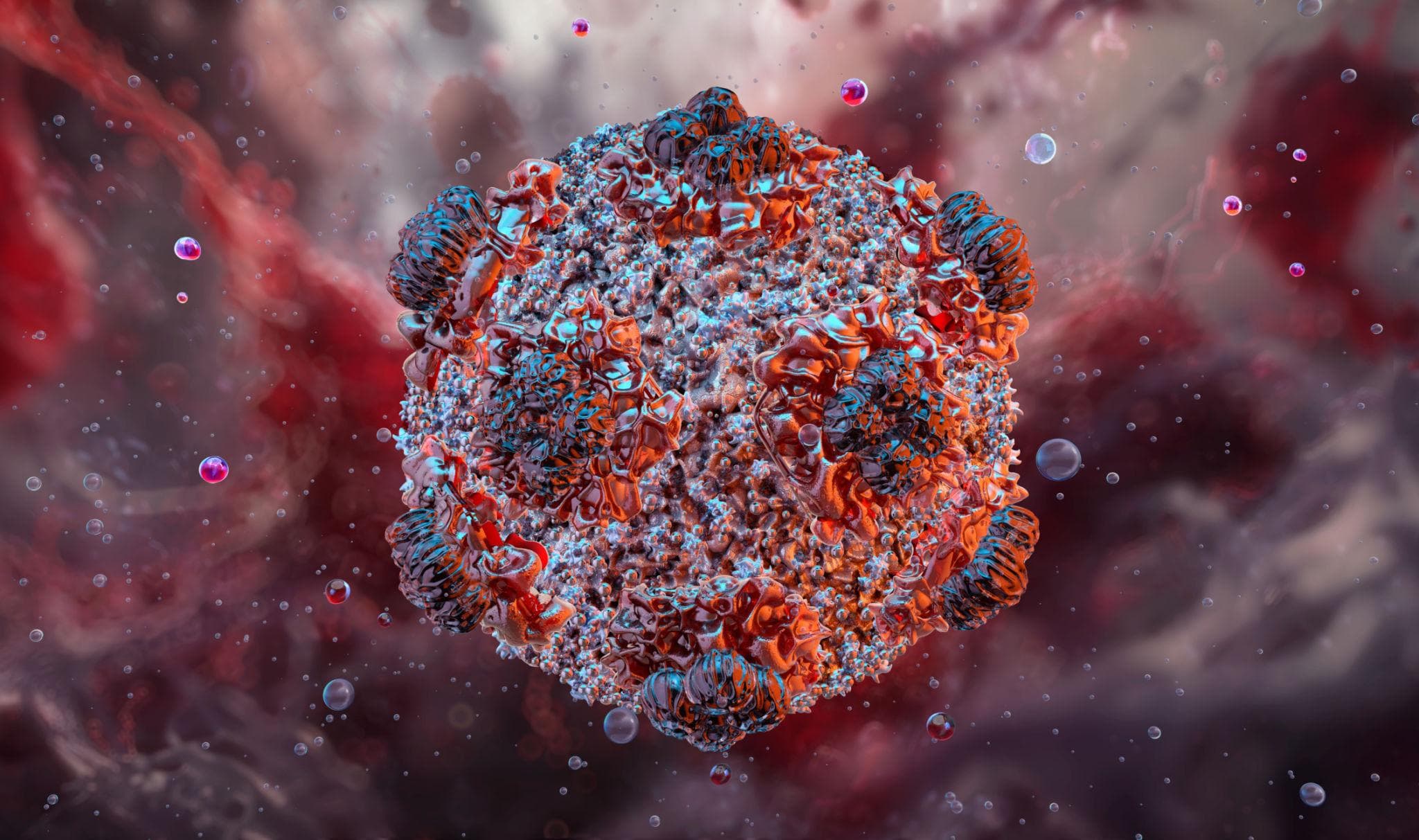
Orthohantavirus andesense remains one of the most fascinating and dangerous zoonoses in the Western Hemisphere. Its evolution is characterized by an elegant coexistence with rodents in the ecosystems of South America, but the unfortunate species jump into humans triggers the often fatal Hantavirus cardiopulmonary syndrome (HCPS) through the suppression of interferons and the subsequent fatal cytokine storm.
The virological classification, which strictly separates the Andes virus from the broad, mostly purely zoonotic family Hantaviridae, is essential for understanding the current crisis. The exclusive capacity of the Andes virus for direct interhuman transmission alone makes clusters like the one on the MV Hondius possible and requires unprecedented rigor in quarantine and contact tracing.
The biological hurdles to viral transmission, the requirement for extremely close contact, the susceptibility to simple disinfectants and the immobilizing nature of the serious illness limit the pandemic explosive power of the virus enormously. Supported by promising advances in DNA and mRNA vaccinology that will enable protective interventions in the near future, Andes virus remains a highly localizable, albeit lethal, threat. Management of the current outbreak does not require global restrictions, but rather the precise, surgical application of classic epidemiological isolation protocols to contain the pathogen.