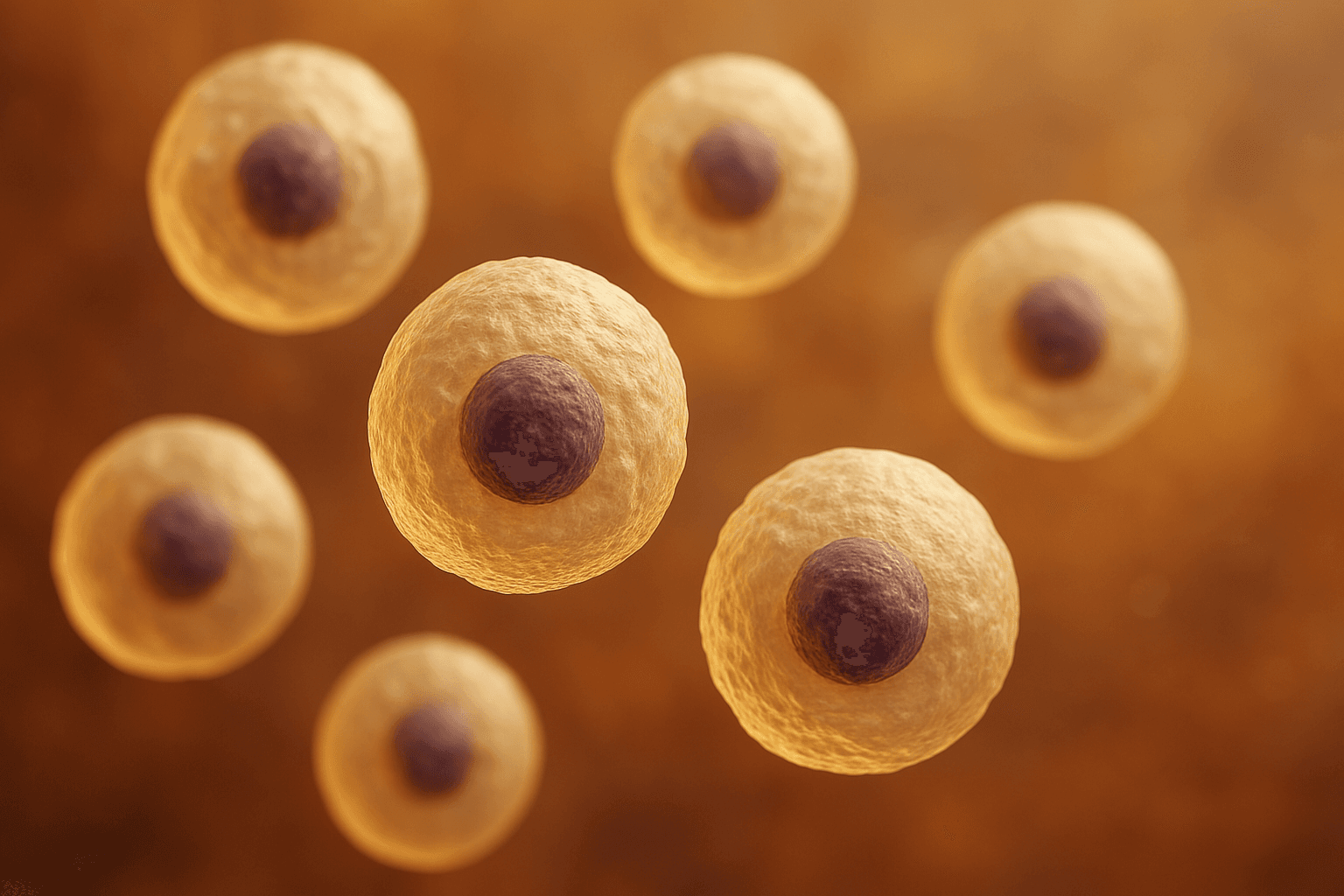
Stem cells: miracles of self-healing and youth
Human tissue has amazing self-healing powers: the skin and intestines renew themselves regularly, and even damaged organs can partially recover. What if we could fully harness these hidden abilities? Regenerative medicine wants exactly that – and is looking for answers in our own stem cells. This report takes you on a fascinating journey: from the primordial germ layers of the embryo, from which all tissues arise, to modern laboratory cultivation such as induced pluripotent stem cells. Find out how researchers are tracking down the body's secret repair squads and what hopes this raises for future therapies.

Your free account
Save interesting articles, track your reading progress and connect with other readers. Joining Pandragora is free.
Discover more with Premium
Start a subscription to get unlimited access to all articles.
To understand where these regenerative helpers come from, it is worth taking a look at our embryonic past. In the third week of development, something amazing happens: a simple cell ball turns into a three-layered structure - an early embryo with ectoderm, mesoderm and endoderm. These three germ layers are the blueprint for the entire body. The external ectoderm forms skin and nervous system; the middle mesoderm gives rise to bones, muscles, blood and vessels; and the internal endoderm forms most internal organs from the lungs to the liver and pancreas to the intestines. Although most cells specialize over the course of development, some retain some form of memory of these early possibilities - adult stem cells, which remain in many tissues of the mature body. They are like silent sentinels of regeneration, often dormant but ready to step in when tissues need repair.
For a long time it was thought that the adult brain could not produce new nerve cells. But silent neurogenesis actually occurs throughout life in two hidden regions of our brain. Deep in the brain chambers (the ventricles) and in the hippocampus - a center for memory and mood - new neurons are continually created from neuron stem cells. These cells carry characteristic proteins such as Nestin or Sox2, which is how researchers recognize them as stem cells. Interestingly, the formation of new nerve cells in the hippocampus is related to memory performance and mental state: if neurogenesis decreases with age, learning ability and mood suffer.
The existence of these neuronal reservoirs inspires hope. In animal experiments, transplanted neural stem cells were able to achieve amazing things: after experimental strokes in rats, human precursor cells in the brain stimulated the formation of new nerve cells and even blood vessels. Other studies show that stem cells in the central nervous system can dampen inflammation - an effect that could be helpful after brain injuries. Researchers even go one step further: They genetically modify neural stem cells so that they produce missing messenger substances. For example, human stem cells have been equipped with the gene for a specific enzyme that produces the important neurotransmitter acetylcholine. If these cells are transplanted into the brains of aging rats, the acetylcholine level increases and with it the animals' memory performance and physical activity. Such results give an idea of the therapeutic potential that lies in the hidden stem cells of our brain.
But stem cells continually renew our tissue not only in the brain, but also in the skin. The epidermis, our top layer of skin, consists of constantly growing cells. Deep down there are skin stem cells (basal keratinocytes) that divide and create a completely new epidermis every few weeks. When these basal cells detach from the membrane, they stop dividing, migrate to the surface of the skin and harden into flakes that we continually shed - so the skin always remains renewed. When injuries occur, these stem cells come into action to close wounds. But for large or chronic wounds, the body's own repair is sometimes not enough. Here, doctors are looking for ways to speed up healing. In a study, a spray made from the body's own bone marrow stem cells was applied to patients with poorly healing skin ulcers - with success: within a few months, the wounds closed completely and healthy new tissue was formed. Such results impressively show how the skin's self-healing power can be strengthened with additional stem cells.
While the ectoderm provides the basis for skin and nerves, the mesoderm is the origin of everything in between: bones, cartilage, muscles, blood vessels - and of course the blood itself including the immune system. All of these tissues contain stem cells that continually renew cells or contribute to repairs when necessary. Decades ago, researchers discovered a special cell type in the bone marrow that can produce bone, cartilage and fat cells in the Petri dish. These mesenchymal stem cells (MSCs) are so named because of their origin from the embryonic mesoderm - a term that is debated but suggests their versatility. MSCs are not only characterized by their versatility, but also by their remarkable abilities to regulate inflammation and influence the immune system. They are found in many tissues, particularly in bone marrow and fat, and are now considered promising all-rounders in regenerative medicine.
MSCs are already being tested in clinical studies – with some surprising results. In patients with the neurological disease ALS, for example, injecting their own bone marrow MSCs slowed the progression of the disease without any serious side effects. And in another study, heart attack patients received an additional infusion of MSC into damaged heart muscle tissue during bypass surgery. A year later it became apparent that the treated areas of the heart were pumping more vigorously again and the patients suffered from fewer angina pectoris symptoms compared to a control group. Such findings raise hope that MSCs can help replace or repair dead tissue after injury or in chronic diseases. However, the cells also have their limits: although MSCs can differentiate in a surprisingly versatile manner, they cannot replace every cell type in the body. In addition, the number and vitality of these cells decreases with increasing age - a problem because older patients in particular have the greatest need for regenerative therapies.
The hematopoietic system is an established classic of stem cell therapy. The hematopoietic stem cells (HSC) in the bone marrow are responsible for renewing all blood cells throughout life. This ability has been used in medicine for over 50 years: HSC transplants (colloquially known as bone marrow transplants) save the lives of thousands of people with leukemia and other blood diseases every year. The sources used are either previously removed bone marrow, a donation from a suitable third-party donor or the blood from the umbilical cord of a newborn - the latter especially in pediatrics, as a single umbilical cord often does not provide enough stem cells for adults. The transplanted HSCs migrate into the recipient's bone marrow and build up a new, healthy blood and immune system within a few weeks - a medical miracle that is now almost routine.
But HSCs can apparently do more than “just” produce blood. Reports suggest that they can be used in the body in a surprisingly flexible manner. In a child who received a donor kidney, a population of stem cells migrated from the transplanted organ into the recipient's bone marrow and took over the permanent blood formation there - the young patient thereby changed his blood group and from then on had a mixed blood system made up of his own and donor cells. In animal studies it has been observed that HSCs can even become liver cells after transplantation and completely regenerate the organ in genetically diseased mice with liver failure. HSCs have also been studied for repairing the heart: in some studies, administration of the growth factor G-CSF, which attracts the body's own stem cells from the bone marrow into the blood, resulted in infarct scars being smaller and the heart's pumping performance slightly improved. However, it remains unclear whether HSCs can actually actively contribute to functional heart or brain tissue. Some supposed findings that bone marrow cells transform into nerve cells could not be reproduced. Further research is needed to explore the actual possibilities of these stem cells beyond the blood system.
The third germ layer, the endoderm, provides the basis for numerous internal organs - from the entire gastrointestinal tract to the respiratory tract to the liver and pancreas. Specialized stem cells also ensure constant renewal in these organs. The intestine, for example, renews its epithelium faster than any other tissue. Intestinal stem cells are located in the crypts – pocket-like invaginations in the intestinal wall – and produce new epithelial cells every few days. Researchers have identified the molecule LGR5 as a special marker for these immensely active cells. LGR5-positive stem cells can generate all cell types in the intestine and are considered the engine of constant renewal in the digestive tract. Their offspring first produce intermediate cells (progenitor cells), which divide and gradually mature into specialized cells as they migrate to the intestinal surface. Eventually, these mature cells at the tip of the intestinal villi are shed and replaced by new ones - a cycle that keeps our digestion intact.
But severe intestinal diseases such as chronic inflammation (e.g. B. Crohn's disease or ulcerative colitis) can destroy the mucous membrane faster than it grows back. Transplants of entire sections of the intestine are complicated and risky, not least because of rejection reactions. Stem cell therapies could one day help here. The first experiments on animals already show the principle of feasibility: In 1994, researchers demonstrated that transplanted intestinal stem cells in a rat from which part of the intestinal mucosa had been removed allowed a new intestinal wall to grow within two weeks. And just recently, an astonishing experiment was achieved: stem cells from the intestines of young rats were transplanted into older animals suffering from strokes - not into the brain, but into the intestines of the recipients. Surprisingly, the young cells not only improved the repair of the intestinal barrier, but also had a positive effect on the animals' well-being: treated old rats showed fewer depressive symptoms and remained mentally fit longer. However, stem cells from older donors did not achieve this effect - an indication of how important the biological age of the cells is for their healing success.
Hardly any other organ is as synonymous with regeneration as the liver. It can grow back surprisingly well after injuries or partial removal. Today we know that stem cells are at work here too: in a healthy organ, special liver stem cells replace all liver cells with new ones approximately every year. These stem cell niches are thought to be located near the central vein of each liver lobule. Due to their ability to develop into new liver cells (hepatocytes) as well as bile duct cells, these cells are considered an ideal candidate to replace damaged liver substance - without the ethical problems of embryonic cells. Scientists are actually trying to harness the regenerative power of liver stem cells for therapies. In mouse models of acute liver failure, transplanted human liver stem cells showed a protective effect: They influenced the immune system in such a way that less inflammatory tissue and scarring developed. In another experiment with mice suffering from chronic liver fibrosis, weekly administration of human liver stem cells was able to prevent the fibrosis from developing into irreversible cirrhosis - the treated animals had significantly lower levels of fibrosis and better liver values. Finally, there is also initial evidence in humans: in a pilot study, 25 patients with severe cirrhosis were infused with stem cells from human fetal livers. Thereafter, there were clear clinical improvements - all key laboratory values moved back towards normal ranges and patients were in a more stable condition. Such results, if confirmed in larger studies, raise the hope that long-term liver failure can be treated without the need for a donor organ.
With all the progress with adult stem cells, one should not forget the second major category: embryonic stem cells. When it was possible to isolate cells from early embryos (blastocysts) in the late 1990s, experts were amazed at their all-rounder properties. Embryonic stem cells (ESCs) can transform into almost any cell type in the body. They come from the interior of the blastocyst - the so-called inner cell cluster from which all tissues develop in the embryo. Because of their pluripotency, ESCs would in principle be the ideal candidates for regenerative therapies, but their production is ethically problematic and highly regulated in many countries. This dilemma gave rise to a new approach that revolutionized medicine: induced pluripotent stem cells.
The breakthrough came in 2006 when Shinya Yamanaka and colleagues managed to reprogram mature body cells so that they could be returned to their original embryonic state. The iPS cells created in this way divide indefinitely and can give rise to all three germ layer lines - their behavioral profile is surprisingly similar to that of ESCs. The trick: You introduce four special control genes - the famous Yamanaka factors Oct4, Sox2, Klf4 and c-Myc - which turn back the cell's epigenetic clock. A skin or blood cell becomes a pluripotent stem cell without the need for an embryo. Because iPS cells can be obtained from the patient's own patient, they hold the prospect of providing tailor-made replacement parts for the body that are not recognized as foreign by the immune system. Researchers have now produced iPS cells from patients with a wide range of diseases - from Huntington's disease to muscular dystrophy to Down syndrome - and used these cells to specifically cultivate the affected cell types in the laboratory. For the first time, it is possible to observe diseased human tissue in a test tube and study how nerve cells function or degenerate in Alzheimer's disease or heart muscle cells in hereditary arrhythmias. New possibilities are even opening up for cancer research: a patient's tumor cells can be converted back into iPS cells and then differentiated step by step into tumor tissue in order to be able to retrace the early phases of cancer development in fast motion.
However, iPS cells are not just tools for the laboratory; they are already being considered for future therapies. Scientists are working to create functional tissue from iPS cells - from heart muscle patches to neural implants - that could one day be transplanted into patients. In a promising approach, for example, so-called SKPs, precursor cells of the dermis, were produced from human iPS cells. These iPS-derived skin cells showed very similar properties compared to natural skin stem cells and were able to give rise to both neuronal and mesodermal cell types in vitro - from fat cells to bone-forming cells. Such results suggest that patients' own iPS cells could be used to replace or improve damaged skin in the future. However, there is still a long way to go before iPS cell therapies can be used routinely. Pluripotent cells naturally divide uncontrollably unless they are directed in an orderly manner - if even a few immature iPS cells remain in a transplant, they could potentially trigger tumors such as teratomas. There is also evidence that even iPS cells obtained from the body's own cells can trigger an immune reaction under certain circumstances. Why an organism attacks its own (reprogrammed) cells is not yet fully understood; Subtle epigenetic changes that occur during reprogramming may play a role.
Nevertheless, iPS cells are already considered a milestone in biomedicine. They bypass the ethical conflicts of embryonic cells and open up personalized therapies that could only have been dreamed of until recently. Adult stem cells have already opened up unimagined possibilities for medicine, but have also reached their limits - for example when it comes to actually being able to regenerate all types of tissue or avoiding rejection reactions. With iPS cells, a new tool is now available that overcomes many of these limitations. It is as if researchers had found the master key to the developmental paths of cells. There are still many questions that need to be answered before these achievements can be widely adopted in the clinic. But the journey that began with the silent repair cells in the body and led to the discovery of the pluripotent all-rounders in the laboratory shows what potential lies dormant within us. The vision of medicine that heals the body through its own cells is now within reach - and is writing an exciting new chapter in science.
Quelle: Della Rocca et al., 2025, Stem Cells in Regenerative Medicine: A Journey from Adult Stem Cells to Induced Pluripotent Cells, Int. J. Mol. Sci., DOI: 10.3390/ijms26178255.
Share or save this article
Share this post or save it for later. A like helps make relevant content more visible.
We place great emphasis on accuracy in our research. Nevertheless, errors can occur. We also recommend reading the corresponding primary literature listed in the sources. The content on Pandragora is for general information only and does not replace professional medical advice or treatment. Use of the information provided is expressly at your own risk and responsibility; any liability is excluded.