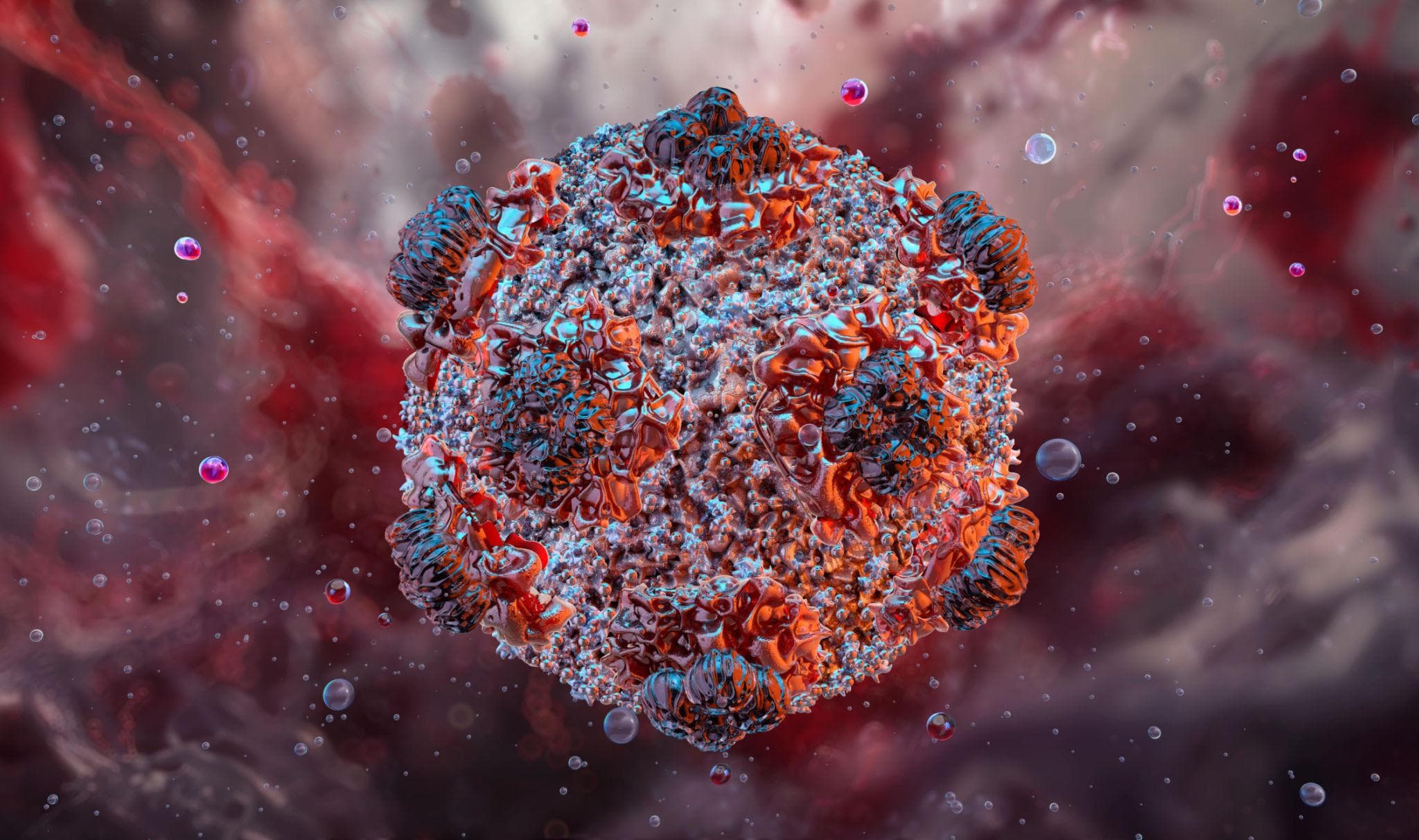
What is the Andes virus and how dangerous is it really?
Orthohantavirus andesense remains one of the most fascinating and dangerous zoonoses in the Western Hemisphere. Its evolution is characterized by an elegant coexistence with rodents in the ecosystems of South America, but the unfortunate species jump into humans triggers the often fatal Hantavirus cardiopulmonary syndrome (HCPS) through the suppression of interferons and the subsequent fatal cytokine storm. The virological classification, which strictly separates the Andes virus from the broad, mostly purely zoonotic family Hantaviridae, is essential for understanding the current crisis. The exclusive capacity of the Andes virus for direct interhuman transmission alone makes clusters like the one on the MV Hondius possible and requires unprecedented rigor in quarantine and contact tracing. The biological hurdles to viral transmission, the requirement for extremely close contact, the susceptibility to simple disinfectants and the immobilizing nature of the serious illness limit the pandemic explosive power of the virus enormously. Supported by promising advances in DNA and mRNA vaccinology that will enable protective interventions in the near future, Andes virus remains a highly localizable, albeit lethal, threat. Management of the current outbreak does not require global restrictions, but rather the precise, surgical application of classic epidemiological isolation protocols to contain the pathogen.

Your free account
Save interesting articles, track your reading progress and connect with other readers. Joining Pandragora is free.
Discover more with Premium
Start a subscription to get unlimited access to all articles.
While outbreaks on cruise ships are not uncommon from an epidemiological perspective, according to data from the US health authority CDC, around 30 to 40 percent of these incidents can be traced back to gastrointestinal infections caused by highly contagious but less lethal pathogens such as norovirus. Molecular biological tests, in particular the polymerase chain reaction (PCR), confirmed at the beginning of May 2026 that the causal pathogen is the Andes virus (ANDV).1 At the current time of the investigation, at least three deaths have been recorded, other patients are in a critical condition and some have been medically evacuated to South Africa, the Netherlands, France and Germany under the strictest isolation conditions.
A particularly explosive aspect of this outbreak is the fact that on the 24th. In April 2026, before official virological confirmation and the implementation of extensive quarantine measures, at least 29 passengers left the ship, triggering unprecedented global contact tracing by health authorities worldwide.
Taxonomic classification and nomenclature
In public, media and sometimes interdisciplinary reporting, the terms “Hantavirus” and “Andesvirus” are often used as synonyms. This conceptual vagueness is incorrect from a virological and epidemiological perspective and obscures the unique danger posed specifically by the Andes virus. To understand the biology and risks of this pathogen, a deeper understanding of the systematic classification established by the International Committee on Taxonomy of Viruses (ICTV) is essential.
The term “Hantavirus” does not refer to a single pathogen, but historically to an entire family of viruses and, according to modern taxonomy, to the family Hantaviridae and the genus Orthohantavirus within it. The history of the discovery of this group of viruses dates back to the Korean War (1951-1953), when thousands of UN soldiers became ill with hemorrhagic fever with renal syndrome (HFRS). The causative pathogen was only isolated in 1978 and named Hantaan virus after the Korean river Hantan. In 1981, a new genus within the Bunyaviridae family was created for these pathogens. Until 1993, the scientific community assumed that pathogenic hantaviruses existed exclusively in the “Old World” (Europe and Asia) and primarily caused kidney damage. This paradigm was shattered by the outbreak of severe, often fatal pulmonary disease in the southwestern United States (Four Corners Region) in 1993, leading to the discovery of Sin Nombre virus (SNV), the first highly pathogenic hantavirus of the “New World.” Shortly afterwards, another genetically related pathogen was isolated in South America in 1995, which was named Andes virus due to its geographical location.
The current taxonomy hierarchy places the Andes virus in the family Hantaviridae. More specifically, Andesvirus belongs to the species Orthohantavirus andesense, which belongs to the genus Orthohantavirus.
The essential differentiation lies in the ability to transmit. All known members of the genus Orthohantavirus, be it European strains such as Puumalavirus and Dobrava-Belgrade virus, Asian strains such as Hantaanvirus or the North American Sin Nombre virus, are pure zoonoses. Human infection occurs exclusively through contact with rodent excretions and cannot be transmitted from an infected person to another person. However, the Andes virus is the only known hantavirus for which direct human-to-human transmission has been scientifically documented beyond doubt.
If the term “Hantavirus” is used as a general synonym or differentiation for the Andes virus, this inevitably leads to incorrect conclusions in risk assessment. A generalized “hantavirus outbreak” would mean that patients were exposed to a common environmental source (e.g. B. a barn contaminated with mouse droppings or, as in the case of a ship, possibly a contaminated loading hatch) without the nursing staff or fellow passengers having to fear infection. The specific confirmation of Andes virus fundamentally changes this paradigm, as each patient can now act as a vector and form chains of infection over several generations of secondary cases.
Molecular virology, genome architecture and the viral replication cycle
The viral genome is a so-called negatively oriented single-stranded RNA ((-)ssRNA), which is present in three segments. These three segments are named Small (S), Medium (M), and Large (L) according to their size and have a total length of about 12.1 kilobases. This means that the (-)ssRNA is 12,100 bases long in total. The segments form circular structures through non-covalent bonds at their ends and are coated by nucleocapsid proteins inside the virion, forming so-called ribonucleoprotein complexes (RNP).
A copy of the L protein is bound to each of these complexes. The L protein, which is also located on the L segment, is the viral RNA-dependent RNA polymerase (RdRp). This highly complex enzyme is essential for the replication cycle because the negative-stranded RNA of the virus cannot be read directly from the host cell's ribosomes. The RdRp initially transcribes the viral genome into functional messenger RNA (mRNA) and is responsible for the replication of the viral RNA genomes for the new virus generations in a later phase of the infection. Because RNA polymerases do not have a strong error-correction function compared to DNA polymerases, RNA viruses generally mutate rapidly, although molecular analyzes in South American outbreak clusters show that Andes virus is subject to purifying selection, meaning that deleterious mutations are rapidly eliminated and the virus remains highly stable in its pathogenic form.
The M segment for a glycoprotein precursor molecule. During assembly, i.e. the assembly of the virus in the host cell, this precursor is cleaved by cellular signal peptidases into two separate surface proteins: Gn (which forms the “stalk”) and Gc (the “head”). These proteins assemble into tetramers (molecule or protein consisting of four subunits) that form a characteristic grid-like pattern on the virus surface. The Gn/Gc spikes are crucial for the tropism of the virus. The tropism of a virus refers to the ability of a virus to infect specific cells or tissues.
The Gn/Gc spikes mediate attachment to the target cells of the human host, with “New World” viruses such as Andes virus binding primarily to β3 integrins and to the protein Protocadherin-1. Entry into the cell does not occur through classic fusion on the cell surface, but through cellular uptake processes such as micropinocytosis or receptor-mediated endocytosis. Only within the endosome (cell vesicles for transporting and sorting substances) does a drop in pH lead to a dramatic conformational change in the spikes, which triggers the fusion of the virus envelope with the endosomal membrane and releases the RNP complexes into the cytoplasm.
The S segment is the smallest element of the genome and encodes the nucleocapsid protein (N), which structurally protects the viral RNA. However, a crucial evolutionary weapon of Andes virus is a second protein encoded in the S segment: the non-structural proteins (NSs). It is a potent antagonist of the innate immune response and actively inhibits the induction and production of cellular interferons. This blockage of viral recognition signaling pathways allows the Andes virus to replicate massively and unnoticed in the host in the early phases of the infection, which contributes significantly to the exceptionally long incubation period.
Geographical origin, ecology and the role of natural reservoir hosts
The Andes virus and its related clades are evolutionarily anchored in the ecology of the South American continent. In contrast to globally circulating pathogens, the natural occurrence of this pathogen is strongly limited by the distribution areas of its specific host species.
The primary natural reservoir host of orthohantavirus andesense is the long-tailed pygmy rat (Oligoryzomys longicaudatus), a small rodent of the burrower family that is widespread in rural and forested regions of Chile and Argentina. Another species in which the virus has been detected is the long-haired grass mouse (Abrothrix longipilis), although phylogenetic and epidemiological studies show that O. longicaudatus represents the main vector for maintaining viral circulation in the environment.
Extensive spatial-genetic studies in Chile have shown that the genetic variation of the virus is congruent with the geographical isolation and population structure of its hosts. Several clades and lineages can be differentiated that are tied to specific ecoregions, such as the temperate rainforest of Valdivia, the northern Patagonian rainforest and the Mediterranean shrublands (matorral) of Chile.
The host-pathogen interaction is characterized by an immunological balance: In the rodents, the virus causes a persistent, latent infection, which, however, is completely asymptomatic. The animals do not show any pathology, but act as highly efficient virus carriers by continuously releasing the pathogen into the environment via saliva, urine and feces. Transmission within the rodent population occurs through social interaction, mating, fights (biting injuries) and inhalation of contaminated aerosols in the nest.
The spillover event, in which the virus leaves this closed ecological chain and infects humans, is strongly correlated with human interference in these habitats. Ecotourism, agricultural activities, entering long-standing empty barns or raising dust in rural endemic areas are considered primary risk factors. In the case of the cruise ship MV Hondius, which departed in April 2026 from Ushuaia in Tierra del Fuego, a region that ecologically borders known endemic areas in Patagonia, it is suspected that the index patients came into contact with aerosolized rodent excrement before embarkation during shore excursions or expeditions in southern Argentina. Such a scenario explains the initial introduction of the pathogen into the closed system of the ship.
Pathogenesis and clinical picture of Hantavirus cardiopulmonary syndrome (HCPS)
When the Andes virus makes the species jump to humans, the result is not asymptomatic persistence as in rodents, but rather a catastrophic derailment of the human immune system. The resulting clinical picture is called Hantavirus cardiopulmonary syndrome (HCPS or HPS).
After entering the body, Andes virus primarily infects vascular endothelial cells, the layer of cells that line the interior of blood vessels, as well as macrophages and dendritic cells in the tissues. Despite intensive viral replication in these cells, the virus does not cause a direct cytopathic effect (structural, degenerative changes in host cells). The endothelial cells do not die as the virus multiplies. Rather, the fatal tissue damage occurs indirectly through a massive, misdirected immune response of the host, a so-called cytokine storm.
As soon as the human immune system recognizes the massive viral load (which was masked during the incubation period by the interferon-blocking effect of the NSs protein), it responds with excessive production of pro-inflammatory cytokines and chemokines. These signaling molecules massively attack the infected endothelium, especially in the fine capillaries of the lungs. The inflammatory reaction leads to a dramatic increase in vascular permeability, i.e. the ability of the blood vessel walls to regulate the passage of fluids, nutrients, gases and cells between the bloodstream and tissue. The blood vessels literally become leaky.
The clinical course of andesvirus-induced HCPS is divided into precisely definable phases:
The initial phase (prodromal stage) It begins abruptly and is often confused with severe, atypical influenza. Patients suffer from rapidly increasing, high fever, profound fatigue, and severe muscle pain, which is particularly evident in large muscle groups such as the thighs, hips, back, and shoulders. In addition, around half of those infected experience severe headaches, dizziness, chills and severe gastrointestinal symptoms such as abdominal pain, nausea, vomiting and diarrhea. This non-specific phase usually lasts a few days before the syndrome progresses into the rapid and life-threatening cardiopulmonary phase. Acute and progressive pulmonary edema develops due to the massive leakage of blood plasma from the inflamed vessels into the alveolar space of the lungs. Patients experience acute respiratory distress, massive oxygen deprivation, and ultimately complete acute respiratory distress syndrome (ARDS). At the same time, the serious loss of intravascular volume (fluid in the blood vessels) leads to extreme stress on the myocardium. The heart is no longer able to maintain blood pressure and tissue perfusion, leading to refractory cardiogenic shock in the final stage.
The mortality rate of this syndrome is alarmingly high and is estimated at 30 - 50 percent. This virulence is reflected dramatically on the MV Hondius: Of the nine recorded cases, three patients have died so far (as of May 12, 2026), while others are in intensive care treatment. In addition, patients who survive this extreme stress often need weeks to months to regenerate their normal lung function.
Epidemiology, transmission routes and quantitative spread dynamics
The study of transmission mechanisms and quantitative parameters of spread is the core of current epidemiological analysis. The Andes virus exhibits a unique dichotomy in its transmission pathways, coupled with a long latency period, posing immense challenges to global disease control.
The extremely variable incubation period
The incubation period, the time interval between successful infection and the appearance of the first prodromal symptoms, is a critical parameter in outbreak modeling. In the case of the Andes virus, this window is exceptionally broad. For the Andes virus, it is around 4 to 42 days, while the WHO is even assuming up to six weeks in the current outbreak.
This temporal latency is responsible for the unprecedented contact tracing that became necessary after the evacuation of the MV Hondius. Since at least 29 passengers boarded the ship on the 24th. April 2026, before quarantine measures were put in place, there is a fundamental risk that these individuals embarked on intercontinental flights, returned to their hometowns and only became symptomatic and infectious weeks later. A pathogen that has such a long latency evades modern transport networks almost invisibly.
Human-to-human transmission
The historical assumption that hantaviruses were exclusively zoonotic was refuted in 1996 by an outbreak in the city of El Bolsón in southern Argentina, when human-to-human transmission of Andes virus was postulated for the first time epidemiologically.12 The fact that Andes virus, in contrast to related pathogens such as Sin Nombre virus in North America, can break through this barrier makes it predestined for outbreaks in familial and clinical clusters.
Detailed phylogenetic and epidemiological analyzes of Argentine outbreaks demonstrate that person-to-person transmission most likely occurs during the late incubation period, but primarily during the prodromal phase or shortly after its end. The virus takes advantage of intensive contact between individuals. Unlike highly infectious respiratory viruses (such as influenza or SARS-CoV-2), which can float over considerable distances via microscopic aerosols, Andes virus requires very close and prolonged exposure. Transmission most often occurs between spouses, family caregivers or medical personnel who are exposed to invasive body fluids or large droplets. A cruise ship, with its cramped cabins, communal dining rooms and high contact density, represents a perfect microcosm for this transmission pattern.
Quantitative Epidemiology: The R0 Value and Superspreading
The risk of exponential spread is quantified in infectiology using the basic reproduction number (R0). This value indicates how many secondary cases, on average, an infectious individual produces in a completely immunologically naïve population without intervention measures. If the value is below 1, the outbreak dies out on its own; If the value is above 1, there is a risk of an epidemic.
For the Andes virus, detailed calculations are available from the large Epuyén outbreak that took place in Patagonia between November 2018 and early 2019 and included 34 epidemiologically linked cases. In the uncontrolled early phase of this outbreak, scientists calculated an R0 value of 2.12, while other modeling suggests values as high as 2.9.
This high reproduction number was largely driven by so-called superspreading events, in which individuals with an exceptionally high viral load or a strong contact network infected a disproportionate number of other people.
However, it has also been shown that the effective reproductive value could be quickly reduced to below 1.0 through the use of rigorous public health measures, including quarantine of contacts, strict isolation of the sick and barrier nursing.
Environmental stability of the pathogen
Another factor highly relevant to infection control on ships is virological stability outside the host. The Andes virus has a relatively low environmental stability compared to other viruses. The pathogen degrades quickly on dry surfaces such as stainless steel and is highly sensitive to disinfectants. This enables potential smear infections to be contained quickly and significantly reduces their risk.
Vaccines against Andes virus
The global health sector faces a therapeutic vacuum when it comes to Andes virus. As of May 2026, there is neither a vaccination approved by the Food and Drug Administration (FDA) nor the European Medicines Agency (EMA) nor a specific, targeted antiviral pharmacotherapy against orthohantaviruses. Patient care is limited to excellent, supportive intensive care medicine to bridge the critical phases of cardiopulmonary failure.
Despite the absence of immediately usable products, basic research and preclinical and translational clinical vaccinology are making tremendous progress. The research focuses on state-of-the-art nucleic acid-based platforms.
One of the most advanced candidates is a recombinant DNA vaccine, which has already completed promising phase 1. This construct is a plasmid (small, circular, double-stranded DNA molecules) that contains the complete M segment of the Andes virus, which encodes the precursor of the Gn and Gc envelope glycoproteins. In a randomized, placebo-controlled, double-blind, dose-escalation study, 48 healthy adults received the vaccine administered needle-free via a jet injection method.
The study was divided into multiple cohorts that received 2 mg or 4 mg of the plasmid DNA in either three doses (days 1, 29, 169) or four doses (days 1, 29, 57, 169). Immunologically, the approach was convincing by generating robust and long-lasting immune responses. Of participants who received multiple or higher doses of vaccine, at least 80 percent developed antibodies to the virus by day 197. The levels of these protective antibodies subsequently remained largely stable until the end of the study on day 337.
The immense potential of mRNA technology, which has been globally validated in dealing with the SARS-CoV-2 pandemic, is currently also being transferred to the Andes virus. A groundbreaking study from the University of Texas Medical Branch (UTMB) led by Dr. Alex Bukreyev in collaboration with Vanderbilt University and Acuitas Therapeutics was published in August 2024 in the renowned journal Nature Communications.
The working group developed two mRNA vaccines and compared different platforms in detail, specifically the use of uridine versus modified N1-methylpseudouridine. These mRNA constructs induce cellular production of viral proteins without the use of viral vectors. The effectiveness of the vaccines was evaluated in the Syrian hamster animal model, an essential model for hantavirus research, as this species has been proven to very realistically reproduce the symptoms of HCPS in humans. In this experimental model, in which the infection was always fatal if left untreated, the mRNA vaccines showed complete and very effective protection.
Despite these significant technological breakthroughs, there is no vaccine available to acutely contain the outbreak on the MV Hondius, leaving conventional virological isolation protocols as the only line of defense.
Risk assessment: The pandemic potential of Andes virus
The sudden outbreak of a highly lethal, interhumanly transmissible pathogen in the isolated environment of a cruise ship requires a precise evaluation of the global risk. The question of whether the Andes virus could trigger a pandemic must be answered by carefully weighing epidemiological and biological factors. The primary literature offers clear lines of argument in both directions, with the scientific consensus ultimately giving the all-clear for an extreme pandemic scenario.
Factors that speak FOR pandemic potential
First of all, it should be noted that the Andes virus has key characteristics that theoretically promote widespread spread. The most prominent feature is its confirmed ability for human-to-human transmission. With the documented R0 value of 2.12 to 2.9 in the Epuyén outbreak and the emergence of superspreaders, the virus mathematically proves the potential for exponential, self-sustaining growth in the human population.
Another massive danger is the extraordinarily long and variable incubation period of up to 42 days (sometimes 6 weeks). In a highly interconnected, globalized world, this latency allows asymptomatic but already infected individuals to leave the point of origin and spread worldwide via international air hubs. The early disembarkation of 29 passengers in the current case clearly demonstrates this risk.
Furthermore, infrastructural networks such as cruise ships themselves promote the spread. In these closed, densely populated microcosms, contacts increase, and the long-term proximity of passengers precisely serves the transmission profile of the Andes virus. Since there is no approved vaccination and no specific medication, the virus affects an immunologically completely naïve population worldwide.
Factors that speak AGAINST pandemic potential
Despite the risk factors mentioned, organizations such as the WHO and the European Center for Disease Prevention and Control (ECDC) as well as the Robert Koch Institute (RKI) classify the outbreak as a “low risk for the global population”.
This assessment is based on profound biological limitations of the virus.
A central argument against pandemic spread is the inefficient transmission mechanics at a distance. Unlike pathogens such as SARS-CoV-2 or pandemic influenza, which persist in microscopic aerosols and efficiently contaminate rooms, the Andes virus requires extremely close and long-lasting contact between individuals. The risk of transmission is therefore limited to close family members, cabin neighbors or nursing staff who wear inadequate protective equipment.
The very low environmental stability of the pathogen also limits its spread. Research clearly shows that the virus does not remain infectious for long on dry surfaces and is immediately inactivated by common cleaning procedures. The risk of massive smear infections in public spaces is therefore negligible.
A paradoxical but effective factor against a pandemic is the extreme virulence of the pathogen. A course of the disease with a mortality rate of 30 - 50 percent, coupled with a rapid onset of cardiogenic shock and respiratory failure after the prodromal phase, leads to rapid immobilization of the host. Successful pandemic viruses usually benefit from mild courses, which enable the hosts to continue their everyday lives and spread the pathogen. However, the Andes virus forces the symptomatic host into a hospital bed, where isolation measures immediately break the chain of infection. The data from Epuyén (2018-2019) clearly demonstrate that conventional contact tracing, quarantine and strict clinical isolation are absolutely sufficient to effectively and sustainably reduce the R0 value below 1.0 and to terminate the outbreak locally.
Share or save this article
Share this post or save it for later. A like helps make relevant content more visible.
We place great emphasis on accuracy in our research. Nevertheless, errors can occur. We also recommend reading the corresponding primary literature listed in the sources. The content on Pandragora is for general information only and does not replace professional medical advice or treatment. Use of the information provided is expressly at your own risk and responsibility; any liability is excluded.